Signs it is the main line, not one fixture
Every drain in the house eventually flows into one larger pipe that leaves the building. When that pipe slows or stops, every fixture feeds into the same problem. A sewer backup shows the same way. The pattern is the giveaway: it affects more than one drain, the lowest ones in the house show it first, and the symptoms change when other fixtures are used.
Look for a toilet that gurgles when the washing machine drains, a shower that slows when someone flushes, or water bubbling up in a basement floor drain while a sink upstairs empties. A single slow drain is more likely to be a local clog. Several slow drains at once, or a drain that reacts to a different fixture running, points toward the main line.
It is also worth watching what the lowest fixtures do. Wastewater follows gravity, so when the main line is restricted, the lowest openings are where it surfaces first. A basement floor drain or a ground-floor tub is typically the earliest warning.
The cleanout: where it usually is in Mount Joy homes
Most houses have a cleanout, a capped opening that gives direct access to the main drain. Common places to find one include the basement near where the main pipe leaves the house, a spot along the foundation outside, or near the laundry area. In Mount Joy, where many homes have basements, you will often find it low on a basement wall or close to the floor, near where the pipe exits.
The cap is usually a round or square plug on a short vertical stub. Please do not try to open it yourself. If there is a backup behind the cap, opening it can release wastewater into your basement. Instead, tell the dispatcher where you believe the cleanout is, or that you cannot find one. A technician knows what to look for and where it tends to be hidden.
If there is no cleanout at all, which can be the case in some older houses, access is possible through other openings such as a vent stack or a removed toilet. That is more involved, and it is part of why older properties can take a different approach from newer ones.
 Main line
Cabling the main line
The conventional approach to a clogged main is a heavy-duty cable machine. A technician feeds the cable through the cleanout, and a cutting head on the end breaks through the obstruction. They work back and forth until the line runs clear, then flush it to confirm.
It is a specialist job, not a quick fix, and it is the reason we advise against snaking a main line yourself. A rented machine in untrained hands can damage a pipe, get stuck or push the clog into a worse spot. Leaving it to a professional protects the pipe and lets the technician read what comes back on the cable. That material tells them a lot about the cause.
When cabling restores flow, the technician will tell you what they felt and saw. If something suggests an underlying issue, such as roots or a damaged section, they will say so. They will not simply tell you it is cleared and leave you guessing.
Tree roots and older pipe
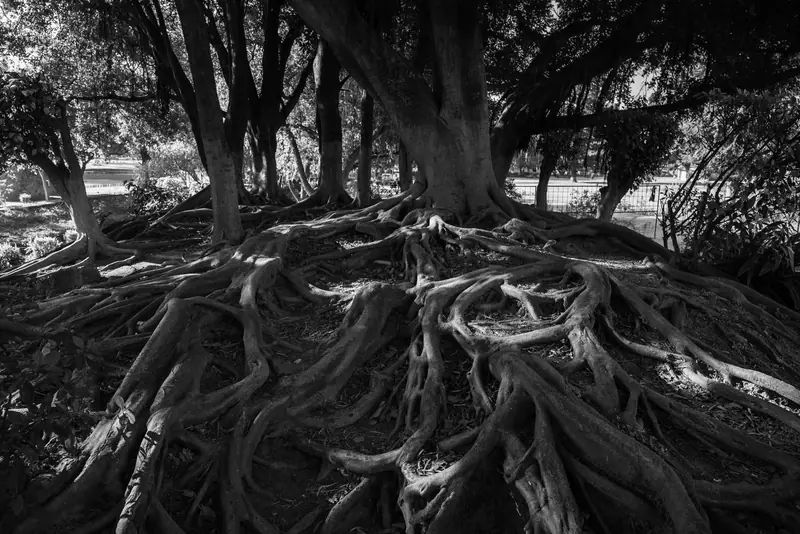
Mature trees send roots looking for moisture, and a joint in an old drain pipe is a tempting source. Roots can enter at joints and cracks, and once inside they grow into a mat that catches paper and waste. This is a general tendency, most likely in older clay or cast-iron lines, and by no means a feature of every property.
A cable with a cutting head can clear roots and restore flow. It does not remove the reason roots got in, so regrowth is possible and sometimes expected. If a camera inspection reveals significant pipe damage, the technician will explain what they saw. Repairing or replacing the underlying sewer pipe is outside what this service covers, and they will point you toward a company that handles it.
When a camera inspection is the next step
After a main line is cleared, the technician may suggest a camera look, especially when the blockage was dense, came back quickly or involved roots. A camera shows the pipe as it actually is: its condition, any sag where water pools and any offset or crack. You can read more on our drain camera inspection page.
It is not mandatory, and nobody should pressure you into it. It does turn a guess into a decision. Knowing what is in the pipe lets you plan sensibly, whether that means periodic cleaning, a different approach such as hydro jetting, or something beyond this service.
Main lines across different parts of Mount Joy
Where you live affects what the main line is likely to be. In the older streets of the borough, mains tend to be older materials, and mature street trees raise the likelihood of roots. Houses in the subdivisions across East Donegal Township often have newer plastic lines, which are smoother and less susceptible to roots, though sags and joint problems still happen.
Basements shape the picture too. Many Mount Joy homes have them, and the lowest drains sit close to the main. That is why a floor drain is so often the first place a backup shows. Winter can add stress: frozen ground, thaw cycles and heavier indoor water use during cold spells can all expose a marginal line.