Drain cleaning on the borough's newer edge
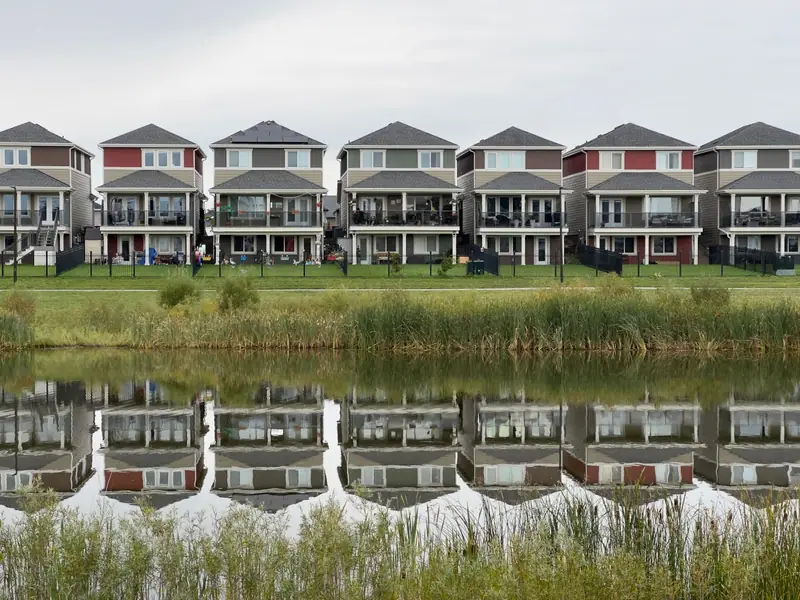
Rapho Township touches Mount Joy along part of the borough's edge, and the portion we serve is the Mount Joy side, within ZIP code 17552. Much of the housing here is newer than in the old core, built as the town grew outward, and the streets feel more suburban than the brick blocks closer in.
That affects drains in a helpful way. Newer homes use plastic pipe with smooth interiors and well-planned layouts, so many of the common old-house problems are absent. When something does go wrong, the causes are usually simpler, and often quicker to diagnose. Drain cleaning in Rapho Township, on the Mount Joy side, is usually about everyday causes rather than age.
Which homes this service covers, and which it does not
It is worth being plain about this. Our service covers homes connected to a public drain system, which describes the newer subdivisions on the borough edge. Further out in Rapho Township, many properties are rural and use private wells and on-site septic systems. Those are outside what we do, and we do not sell well or septic work.
If you are not sure which side of that line your home falls on, ask the dispatcher. It is a quick question, and it saves a wasted visit. You will get an honest answer, whichever way it falls.
 Rapho Township
What the homes here are like
Houses on the borough side of Rapho Township are generally recent, with full basements or crawl spaces, attached garages and modest lots with a mix of young and established trees. The drain line runs from the house to the street, usually in plastic pipe, with a cleanout at a sensible location because it was installed during construction.
Layouts tend to be efficient. Kitchen, bathrooms and laundry are placed to share stacks, and there is little of the layered remodeling you find in older homes. A finished basement with a bathroom or a laundry room is common, so a backup in the lowest part of the house matters more than it would in an unfinished cellar.
Where drains typically go wrong in newer houses
In newer houses, the usual culprits are everyday ones. Hair and soap in bathrooms, grease in kitchens, lint in laundry. Beyond those, there are a few construction-related issues: debris left in the line, a joint that has settled or a stretch of pipe with a slight belly that holds water and collects residue.
Repeated problems in a newer house are often a signal that something specific is happening in the pipe, which is why a camera is so useful here. Read about it on the drain camera inspection page. Our bathroom drain page describes how bathroom lines behave when hair and soap are the cause.
Also remember that younger pipe is not immune to roots where trees are growing close to a run, though it is less common than in older lines.
What the technician checks first
In a newer home, the technician typically begins with the cleanout, because it gives direct access to the main. They will ask which fixtures are affected and in what order, then clear the line with the tool that fits. A newer, sound pipe tolerates most standard methods, though the technician still looks before acting.
If a backup has made the lowest level unusable, the situation may be urgent, and our emergency and same-day page explains how those calls work. In the meantime, follow the steps in the box on this page and avoid chemical cleaners.
A call from Rapho Township, step by step
You phone and a person answers, at any hour. The dispatcher asks about the symptoms and confirms your home is on public drain lines. A local technician is dispatched, and the options and pricing are explained before work begins, with no hidden fees. Same-day and emergency dispatch is offered where available.
When the job is done, you get a plain account of what was found and whether anything is worth watching. If the cause was not obvious, the technician may suggest a camera look so you know what is going on in the pipe.
Where cleanouts hide in newer homes
In a newer house, the cleanout was usually put in during construction, but that does not make it obvious. It may sit in the garage floor, on a basement wall near the water heater, in a utility room or in a small capped pipe outside near the foundation. Landscaping, mulch and finished walls have a way of hiding it.
If you can find it before the visit, great. Do not open the cap, since a backed-up line can release wastewater. Simply tell the dispatcher where it is, or that you cannot find one. A technician who knows how builders typically place cleanouts will usually find it quickly.
It also helps to clear space around the garage or utility room and keep pets away from the area. Newer homes often have finished spaces close to the lowest drain, so protecting floors and stored items is worth a minute of your time.
Neighboring areas
The older streets of Mount Joy Borough sit right next door and have a different plumbing story. The subdivisions across East Donegal Township are similar in age to many Rapho Township homes. Read either page if your home sits near the line between areas.