
Hair, soap and the slow squeeze
Bathroom drains clog on a different recipe from kitchen drains. Instead of grease and starch, it is hair, soap residue and skin oils that combine into a dense, rubbery plug. Soap does not fully dissolve in cool water. It forms a film inside the pipe, and hair catches on that film and builds a net that traps even more.
The slowdown is gradual, which is why people tolerate it. The shower takes a little longer to empty, then the water reaches the ankles, then it reaches the edge of the tray. By the time it is obviously wrong, the plug is substantial.
Because the cause is mostly organic build-up in the first few feet of the line, many bathroom clogs are close to the opening and accessible without removing fixtures. That is good news, though it does mean the same spot will tend to fill again unless something changes in how the drain is protected.
Pop-up stoppers, strainers and tub overflows
Before blaming the pipe, look at the hardware. Bathroom sinks often use a pop-up stopper, and the pivot rod and stopper collect hair and sludge very efficiently. Tubs may have a lever-operated stopper or a plunger-style one inside the overflow tube, and the linkage can get coated and stop sealing or lifting properly.
A small plastic hair tool from a hardware shop can help with a visible hair clog in a sink or shower. It is not a long-term answer, and it should be used gently so it does not scratch the finish or push the plug deeper. If a gentle try does nothing, stop and call, since forcing it can damage the fixture.
Tub overflows are worth a mention because the overflow tube connects to the same drain. A technician working on a tub drain may clean through the overflow opening, which is why you should never be surprised if they remove the overflow plate. It is a normal access point.
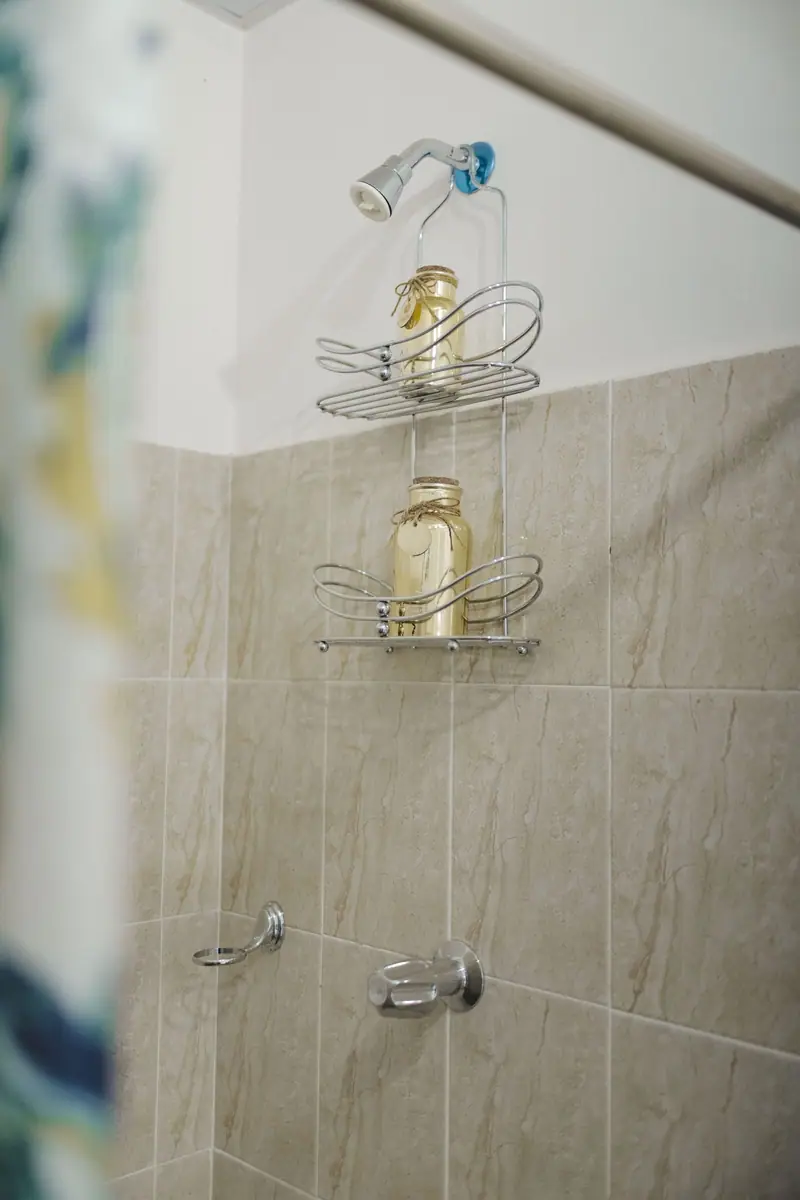 Bathroom
Older metal drain lines in older homes
In older houses, bathroom drain lines may be galvanized steel or cast iron, and sometimes other older materials. As these age, the inside surface becomes rough and scaly. Rough pipe catches hair and soap far more readily than smooth plastic, which is why an old bathroom can clog more often than a newer one even with identical habits.
That does not mean the plumbing needs replacing. It means the drain behaves differently, and cleaning needs to be done thoughtfully. A technician will choose the tool with the pipe in mind, because aggressive cleaning in old, thin metal is not a decision to make lightly. If the pipe looks questionable, they will explain what they see and what your options are.
Homes around the old railroad village of Florin and the long-standing blocks of the borough are the sort where you may meet this. Newer homes on the edges of town, such as those along the Mount Joy side of Rapho Township, typically use plastic drain pipe, which behaves differently and clogs for different reasons.
When the real problem is further down the line
Sometimes the bathroom is only where the symptom appears. Warning signs include a tub that gurgles when the toilet is flushed, a shower that drains slowly right after the washing machine runs, or water appearing in the lowest fixture in the house when you use an upstairs one. Those patterns suggest a shared line is restricted, not just one fixture.
In that case, clearing the shower drain alone will not help for long. The technician will usually check whether the problem is the fixture, a branch line, or the main drain. Our page about main drain line clearing describes how that diagnosis works, and why the lowest drains in the house are usually the first to show trouble.
Where the same bathroom keeps clogging, the technician may suggest a deeper clean with water pressure. Read about hydro jetting to see how that differs from cabling and when it is a sensible choice.
What the technician checks, in order
A good diagnosis follows a simple order. First comes the visible hardware: the stopper, strainer and overflow. Next is the trap, which on a sink is the curved section under the basin. After that, the technician moves to the branch line behind the wall or beneath the floor. If other fixtures are involved, they will look at whether the problem could be shared.
They will ask questions too. Which fixtures are affected? Did it start suddenly or slowly? Has it happened before? Does it behave differently at different times of day? Honest, specific answers make the diagnosis faster and keep the visit focused on the real cause.
Tub and shower finishes are a common worry. Technicians are used to protecting acrylic, fiberglass and enamel, and will use covers and gentle access methods. Mention any fragile finish when you call so it is on their mind from the start.
What if it comes back after clearing?
If water backs up again soon after a cleaning, treat that as important information. It can mean the blockage was only partly cleared, or that something further along is restricting flow. It can also mean a dip or sag in the pipe is holding water and collecting residue. None of these is something to put up with or guess at.
Tell the dispatcher what the first visit found, and ask whether a camera look is sensible. Seeing the inside of the line replaces speculation with facts, and it lets you decide with clear information whether anything beyond cleaning is needed.