Lint, soap and a standpipe that overflows
A washing machine drains a lot of water quickly, and the standpipe behind it has to take that surge without backing up. When the standpipe overflows, the cause is usually one of two things: the drain below is narrowing, or the machine is discharging faster than the pipe can carry the flow away.
Lint is a real contributor. It slips through the machine's filter, mixes with detergent residue and clings to pipe walls, building into a soft mat that catches more. Fabric softeners and some detergents add a waxy film. Over many months, the line that used to take a full load comfortably starts to struggle.
The usual sign is water rising up the standpipe during the drain cycle, or draining so slowly that the next fill begins before the last has gone. If you see it, stop the machine, and avoid running further loads until the drain has been looked at.
Floor drains and the backups that start there
A basement floor drain is the lowest opening in the house, and that matters. Because water follows gravity, it is often the first place a restricted drain line shows itself. It is an early warning rather than a cause.
If water comes up through the floor drain when the washing machine empties, or when a shower or toilet is used upstairs, the pipe the drain connects to is partly blocked or overloaded. That could be a branch line serving the laundry, or the main drain. Telling the dispatcher exactly when it happens helps the technician decide where to begin.
Floor drains also catch sediment and debris of their own, such as dust, grit and bits of material. If it seems sluggish, that can sometimes be a local issue, though the safe assumption is to treat any backup as worth looking at. Read how a technician separates the two on our main drain line page.
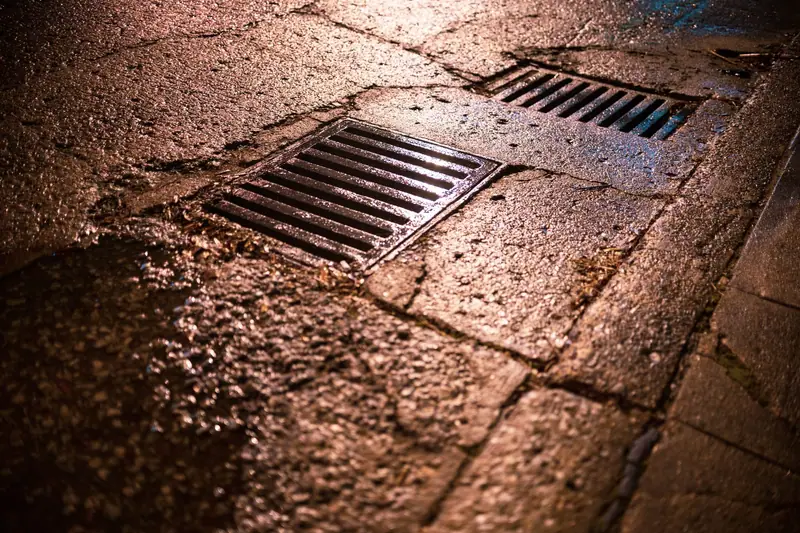
 Floor drains
Dried-out traps and sewer smells
Every drain has a trap, a curved section that holds a small amount of water. That water forms a seal that stops smells from rising out of the pipe into the room. A floor drain used rarely can dry out, since the water simply evaporates over time. When it does, the seal is gone, and odors can come up.
If a smell appears from a floor drain you do not often use, a dry trap is a likely suspect, and a technician can confirm it quickly on site. If the smell persists, or if water is also rising or draining slowly, the issue is more than a dry trap and the line needs attention.
Persistent smells with backups or slow drainage suggest the line is partly blocked, and a technician should look at it. Please do not pour chemicals or fragranced products into the drain to mask the odor.
Low-lying basements and storm-season backups
Basements sit low in the drainage system by nature. In a period of heavy use, or when the wider system is under pressure, the lowest drains are the first to show strain. This is a general tendency of basement plumbing and not a prediction about any particular day or property.
If a floor drain backs up when it has rained heavily, or when the neighborhood's wastewater is flowing hard, it may reflect conditions beyond your own line. A technician can check that your own line is clear and let you know if it is not the source. We do not make claims about flooding, and we recommend you keep valuables off the floor in rooms with a floor drain.
In the older streets of Mount Joy Borough, where many houses have basements, this is a familiar story, and the lowest drain is worth keeping an eye on.
Backwater valves, explained generally
A backwater valve is a fitting that can be installed in a drain line to allow flow out of the house but close if wastewater tries to flow back in. It is a type of one-way gate. Some homes have them, many do not, and whether one suits a particular property is a decision for a professional who has seen the layout.
Valves have moving parts and need to be kept clear and checked to work as intended. Installing one is outside what this service covers, and we do not claim that any device will prevent a backup. If you are curious about whether you have one, mention it to the technician, who can tell you what they see and what is typical.
Floor and laundry drains in Mount Joy homes
Many Mount Joy houses have basements, and the laundry often sits there. In the neighborhoods around Donegal Springs and Donegal Heights, you will find a mix of older and newer basements, with floor drains and laundry standpipes of different ages and materials.
Older homes sometimes have a floor drain that connects directly into an older cast-iron or clay line, which can be rough inside and prone to catching debris. Newer ones may have smoother plastic, though they are not immune to lint and soap build-up. In both cases, the technician looks at the drain and the line it serves before deciding what to do.
If the backup comes with other warning signs such as gurgling fixtures upstairs, an urgent visit may be sensible. Our page on emergency and same-day drain cleaning explains how that works, and the kitchen drain page shows how a branch line behaves when it is partly restricted.