Drain cleaning in newer subdivision homes
East Donegal Township wraps around the south and west sides of Mount Joy Borough, and much of it was developed in the decades after the war, with a big share of the housing dating from the 1980s through the 2010s. If you live in one of the subdivisions here, your drains are probably newer than most in town, and the usual advice about old, rough metal pipe does not apply.
That does not mean they never give trouble. Newer systems fail for different reasons: a sag in a long horizontal run, a joint that settled, or a line that runs under a driveway or lawn that has shifted over the years. The township sits within ZIP code 17552, and calls from here are sent to technicians who know what these subdivisions are like. Drain cleaning in East Donegal Township tends to focus on sags, joints and the long run to the street.
Houses, lots and where the lines run
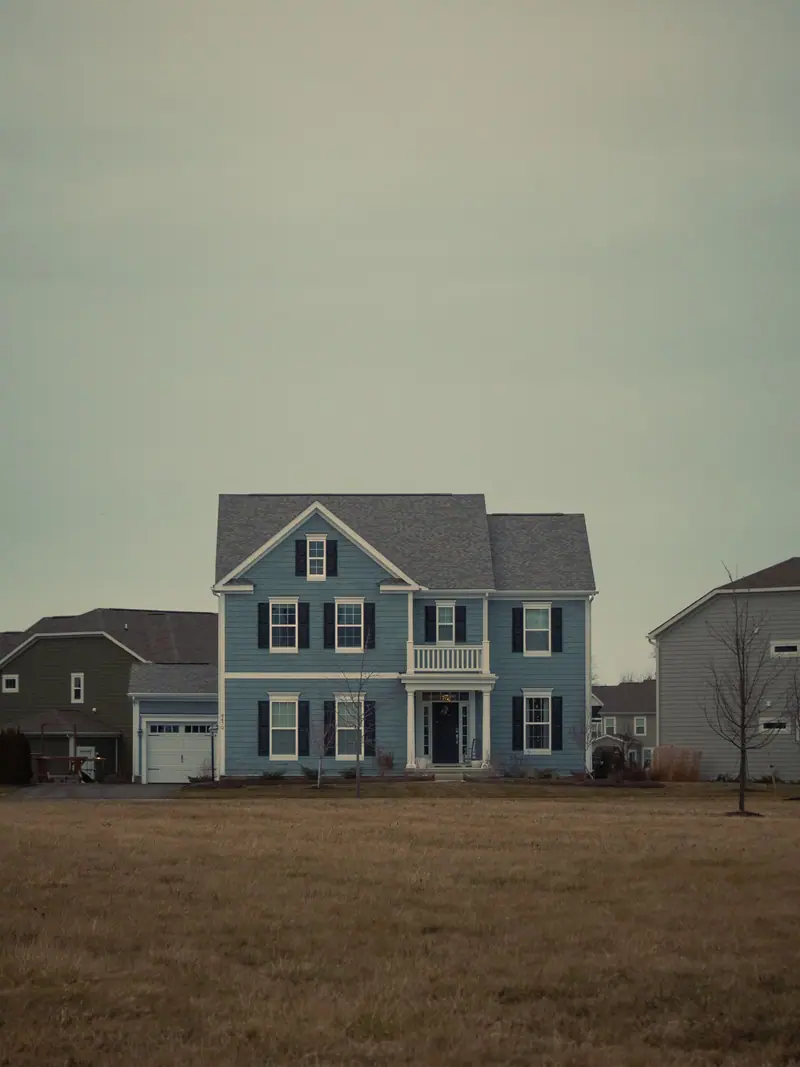
Subdivision homes typically sit on larger lots than the village core, with front yards, driveways and a drain line that runs from the house out to the street. That run can be long, and it may pass beneath landscaping, a driveway apron or a row of planted trees. Cleanouts are more common, and in many houses you can find one outdoors near the foundation or in the basement.
Layouts are simpler too. Kitchens, bathrooms and laundry are usually stacked in logical positions, with straight runs and gentle slopes. Many houses have basements, and finished basements are common, which raises the stakes if a floor drain or a basement bathroom backs up. The plumbing is generally plastic, which resists scale and corrosion, so cleaning problems tend to come from grease, hair, paper and the shape of the line.
 East Donegal Township
What commonly goes wrong in subdivision homes
With newer pipe, the usual causes of repeated trouble are a belly, which is a low spot where water pools, and debris from construction that was left in the line when the house was built. A belly lets paper and waste settle at the same point each time, so the line clears and then fills again. A camera is the quickest way to see it.
Roots can still be a factor where the township's mature trees have grown close to a long run of pipe, though they are less common than in older clay lines. Grease from kitchens remains the leading cause of slow kitchen sinks everywhere, as our kitchen drain page explains.
Multi-fixture backups are more likely to be a main-line concern. The page about main drain line clearing describes how to distinguish a single clogged fixture from a restricted main, which is the key question in any house.
Where a technician starts in a newer home
The technician usually finds the cleanout first. In a subdivision house, that is often a short capped pipe outside or in the basement, and it gives direct access to the main. They will ask about the layout, which fixtures are affected and whether the house has had work done, then decide whether cabling alone is enough.
If the symptom has repeated, a camera inspection is a natural next step. The details are on our drain camera inspection page. For a newer house the camera is mostly looking for sags, joint problems and anything left behind during construction, and it often finds the answer quickly.
The technician will explain what they see, what it means and what the realistic choices are, with the pricing made clear before any work begins.
How a call from the township goes
You phone, and the call is answered at any hour. The dispatcher asks which fixtures are affected, when it began and whether there is a finished basement that might be at risk. A local technician is dispatched, and the options and pricing are explained before work starts. Same-day and emergency dispatch is offered where available.
One point to be clear about: this service is for homes on public drain connections. Rural properties on private wells and on-site septic systems are outside what we handle, and if yours is one of them, the dispatcher will say so right away and save you the wait.
Getting a subdivision house ready for the visit
Subdivision houses tend to make a technician's job straightforward, as long as the access points are clear. Before the visit, make sure the technician can reach the basement or the garage side of the house, and move vehicles away from the driveway if the cleanout is outside.
Keep pets and children away from any backed-up water, and avoid running the dishwasher or washer while you wait, since both feed the same line. If you have a finished basement, lift rugs and stored items off the floor near the lowest drain. A few minutes of preparation can protect belongings and let the technician start work right away.
It also helps to know whether the problem began after a particular event, such as a long shower, a full load of laundry or a holiday meal. That kind of timing detail often points to the section of line that is struggling.
Nearby neighborhoods
The township includes communities with their own character. See our page for Donegal Springs and Donegal Heights, where older and newer homes mix, and for Florin, the old railroad village beside the borough. If you are near the boundary, read the one that sounds most like your street.