Why drain cleaning in the old borough is different
Mount Joy Borough grew from three early villages that eventually merged into one, and you can still read that history in the street pattern. Long Main Street carries rows of brick homes and former storefronts, and the side streets and alleys branch off in a grid that was laid out long before anyone imagined modern appliances. Drain lines in this part of town have been working for a very long time, and many of them show it.
The result is a particular set of symptoms. Basement floor drains that gurgle, kitchen lines that slow in winter, and the occasional house where several fixtures back up together are all familiar here. ZIP code 17552 covers the whole borough, and the oldest blocks tend to generate the most questions about why a drain keeps returning to the same trouble. Drain cleaning in Mount Joy Borough therefore starts with the house, not the symptom.
What the houses are like on Main Street and the side streets
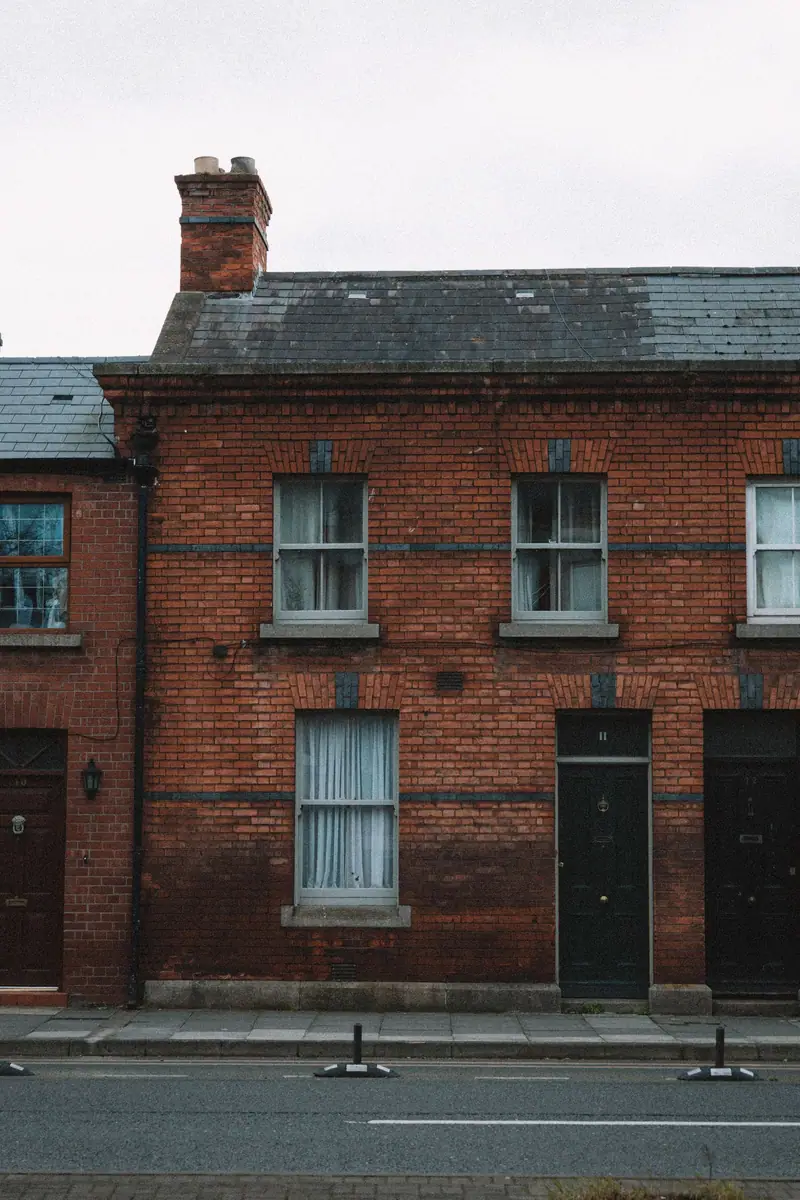
Walk the length of Main Street and you will see 19th-century brick houses, some built tightly side by side with shared walls or very little space between them. Many have been remodeled over the decades, with a bathroom added here and a kitchen moved there, so the plumbing behind the walls is often a patchwork of different eras and materials.
Basements are common, and in older homes they can be deep, low-ceilinged and partly stone. The main drain frequently leaves the house at the lowest point, and the drain line toward the street may run beneath the sidewalk or the narrow strip beside it. Alleys behind some properties add another complication, because access to buried pipe is tight and each property's line may take a slightly different path.
Further out, past the old core, the borough shifts to post-war streets and later subdivisions. Those homes tend to have plastic drain pipe and simpler layouts. This page is mostly about the older core, though the technician looks at each house on its own merits.
 Borough & Main Street
The usual suspects in a borough house
In the old core, three things come up more than others. The first is pipe condition. Older metal drain lines are rougher inside than modern plastic, so grease, soap and paper catch more easily and narrow the line gradually. The second is mature trees. Street trees and garden trees have had decades to send roots toward joints in older clay or cast-iron lines.
The third is the way the system was extended over time. Add a washing machine, a second bathroom or a dishwasher to a drain system designed for fewer fixtures, and a line that once had plenty of capacity may be working harder than it was meant to. When several fixtures share the same older branch, a restriction shows up in multiple places at once.
None of that means anything is wrong with your house. It means a repeat clog in an older home is frequently a symptom, and a camera can show what is behind it. The kitchen drain cleaning page describes one common version of this story.
What the technician looks at first in a home like this
The first question is whether the problem is one fixture or the whole house. A technician will ask which drains are affected and in what order, then head for the basement. In a borough house, the basement is where the answers are: the floor drain, the laundry standpipe and the main line leaving the building.
They will look for a cleanout, which in older houses may be tucked behind stored items, buried under a later finish or simply missing. Where there is one, access is simple. Where there is none, the technician will explain the alternatives. If the main line is the issue, our main drain line clearing page explains the method, and basement floor and laundry drains covers what a low-lying basement tends to show.
After the line is clear, expect a plain explanation of what was found. If roots, sags or scale came up on the cable, the technician will say so, and a camera can follow if the cause is not clear.
A call from the borough, start to finish
You phone the number on this page, and a person answers, day or night. The dispatcher asks about the symptoms: which fixtures, what you have noticed and whether anything is spilling. They ask whether you know where the cleanout is, and whether the house is older. Those answers help them send the right technician with the right tools.
A local technician is dispatched, and before any work begins you hear the options and the pricing, with no hidden fees. The technician clears the line, explains what they found and tells you whether anything further is worth considering. If the situation is urgent, same-day and emergency dispatch is offered where available.
Other parts of the area we cover
If you are just outside the borough, the neighboring communities are covered too. Florin, the old railroad village beside the borough, shares some of the older-home characteristics found here. The newer streets across East Donegal Township tend to have different pipe materials and different problems. Each page describes the local pattern in its own terms.